
Rebuilding Lives: How the 5 C’s of Mental Health Can Break the Cycle of Homelessness
Since 1949, the United States as observed May as Mental Health Awareness Month. Here at Magnificat Houses, we are aware of the importance of caring for individuals with compound crises. Currently, over fifty percent of individuals who receive services at our Intake Center have dealt with some form of incarceration. We see firsthand that, when individuals leave the justice system, their moment of freedom is often overshadowed by the immediate threat of homelessness. Systemic barriers and emotional trauma make this transition incredibly precarious and drives recidivism statics up. To truly prevent homelessness and foster successful reintegration, shelter and job placement aren’t enough; we must also rebuild the human spirit.
The 5 C’s of Mental Health—Connection, Compassion, Coping, Competence, and Control:
Every lifetime member that’s participated at our St. Joseph’s Clubhouse knows that they can find access to treatment and connect with healthcare and recovery professionals. They also know that it is safe place where they can take advantage of free resources while enjoying the benefits of increased social interaction. When the right amount of care is combined with the 5 C’s, together they provide a framework for building resilience and emotional stability. Here is how they transform the reentry journey.
- Connection: Nurturing Relationships
Isolation is a massive risk factor for homelessness. Returning to fractured families or finding oneself alone makes securing housing or jobs incredibly difficult. Connection means intentionally nurturing relationships and building a reliable support network. Reentry resources must prioritize mentorship, peer support, and family counseling. A strong social safety net includes people who see the individual’s potential rather than just their past. Encouraging these things acts as the first line of defense against homelessness.
- Compassion: Practicing Self-Kindness
The constant sting of rejected rental applications and job interviews can quickly internalize into deep shame, leading to self-sabotage. Compassion, specifically radical self-kindness, is vital. It requires forgiving oneself for past mistakes and recognizing inherent human dignity. When individuals practice self-compassion, they build a psychological buffer against societal stigma. They learn their past does not dictate their future, giving them emotional stamina to keep trying despite repeated rejection.
- Coping: Managing Stress
Navigating reentry requirements and facing financial insecurity creates paralyzing anxiety. Without healthy ways to process this pressure, individuals may revert to destructive behaviors that jeopardize their housing. Coping focuses on managing stress through healthy mechanisms like mindfulness or journaling. Effective resources must provide practical tools for emotional regulation. Good coping skills keep small setbacks from snowballing into housing crises, helping individuals navigate frustrations without becoming overwhelmed.
- Competence: Feeling Capable
Years spent in a highly regimented environment can erode a person’s belief in their capacity to succeed. Competence is the antidote to this learned helplessness; it means feeling capable and equipped to handle life’s demands. Reentry programs foster competence through vocational training, financial literacy, and life skills coaching. Learning to budget, interview successfully, or understand a lease builds profound self-confidence, driving long-term housing stability.
- Control: Taking Charge
Incarceration and homelessness both involve a profound loss of autonomy. Reclaiming agency is the ultimate goal of reentry. Control means taking charge of one’s life and decisions. While systemic prejudices exist, individuals can control their responses, boundaries, and daily choices. Programs must empower people to advocate for themselves—whether that means negotiating with landlords or engaging in mental health treatment. Taking ownership transitions them from merely surviving to actively thriving.
A Holistic Approach
Handing someone a list of shelters is not reentry. To truly prevent homelessness, we must invest in the whole person. By structuring resources around the 5 C’s and fostering connection, encouraging compassion, teaching coping, building competence, and restoring control, we help people build resilient and emotionally stable lives. Treating mental health and housing support as two sides of the same coin breaks the cycle and offers lasting rehabilitation.
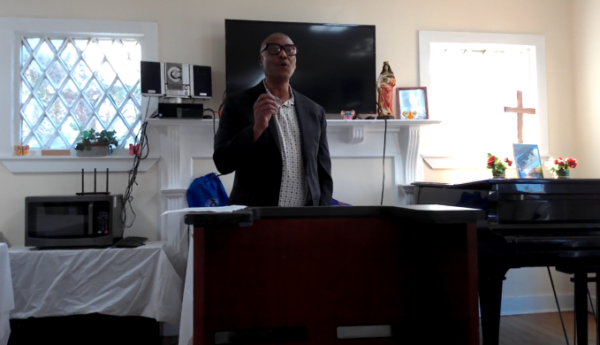
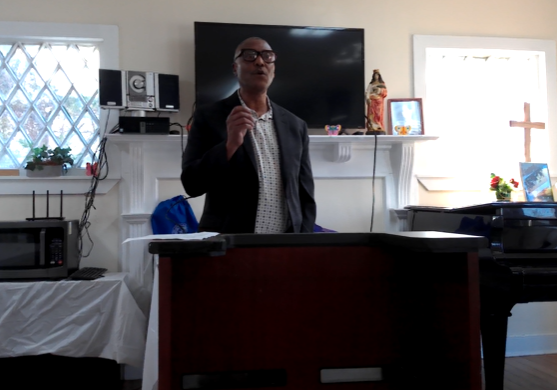
Anthony Graves, Reentry Resource Advocate, speaks at St. Joseph’s Clubhouse
Share this article
Recent Updates

“Getting Ahead” at RoseMary’s Place…
Recently, Getting Ahead visited RoseMary’s Place to engage residents in a transformative class addressing larger systemic factors that contribute to poverty.

Fraternity on the Streets celebrates one year of service with us!
Magnificat Houses recently joined Fraternity on the Streets (FOTS) in celebrating their one-year anniversary of dedicated volunteer service with Magnificat Houses, Inc.

Domestic Violence Awareness Month
October is National Domestic Violence Awareness Month, and Magnificat Houses, Inc. was proud to partner with the Houston Resource and Education Center for Domestic Violence (HREC4DV) to bring education and awareness to our community.